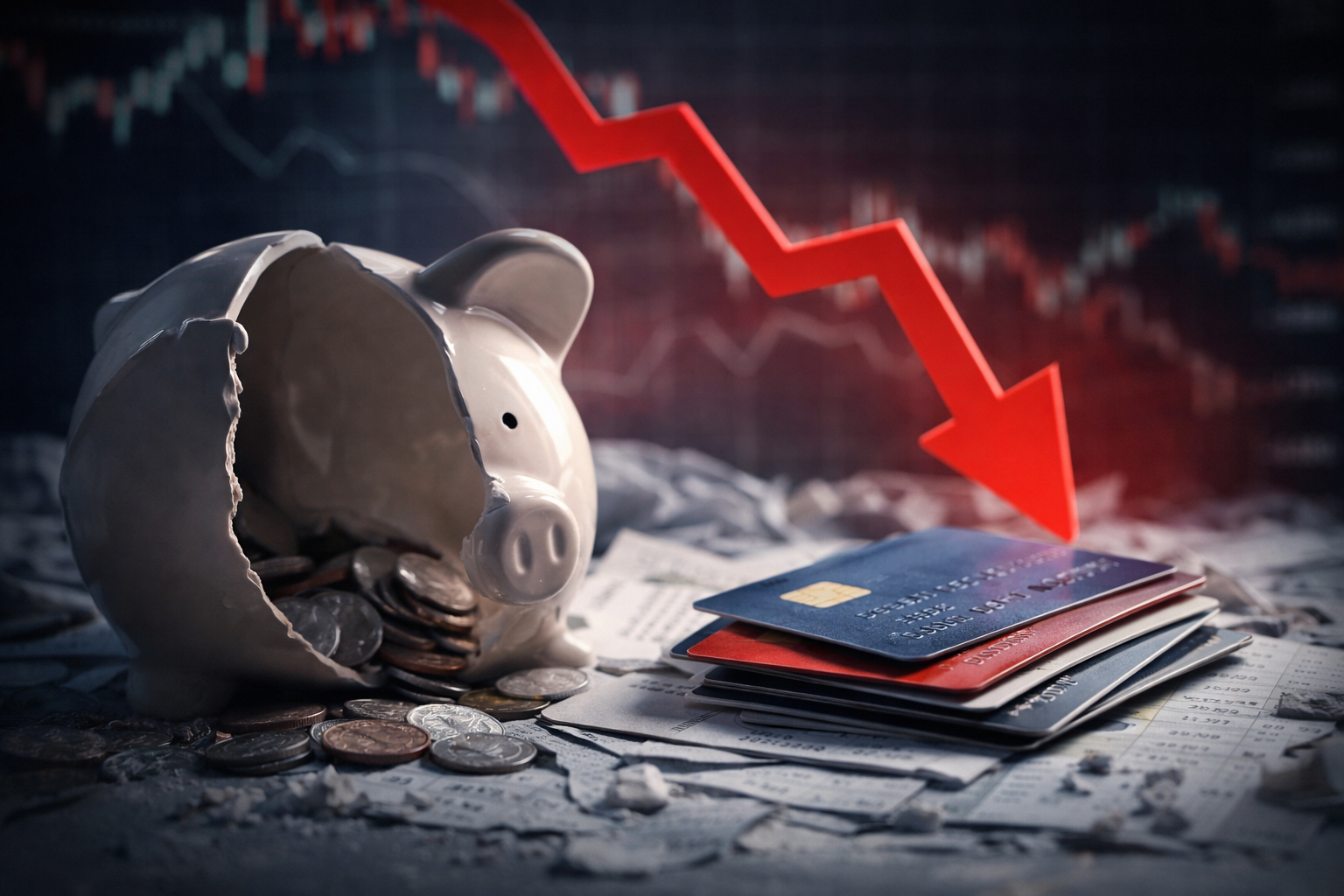
Credit card debt rarely announces itself as a problem. It does not arrive with urgency or demand immediate attention. Instead, it settles quietly into everyday life, blending into routine expenses and monthly statements.
What makes credit card debt especially dangerous is not the amount owed at the beginning, but the way it slowly reshapes financial behavior. Over time, it alters spending habits, distorts priorities, and weakens financial resilience without creating obvious warning signs.
By the time the consequences become visible, debt patterns are already established, balances are higher, and financial recovery feels distant.
Understanding how this process begins is essential to understanding why credit card debt is so difficult to escape.
How Credit Card Debt Gradually Becomes Normal
One of the most harmful features of credit card debt is how quickly it becomes familiar.
Monthly statements arrive with predictable numbers. Minimum payments appear reasonable. As long as payments are made on time, nothing seems broken.
This sense of normalcy lowers awareness.
Spending continues, balances fluctuate slightly, and financial pressure remains manageable on the surface. There is no immediate signal that long-term stability is being compromised.
Why Familiarity Reduces Urgency
When a financial situation feels routine, it stops demanding attention.
People stop reviewing balances closely. Interest charges are noticed but not questioned. Debt becomes part of the background rather than a problem to solve.
This psychological adjustment is subtle but powerful. Once debt feels normal, motivation to change declines.
The Comfort of Minimum Payments
Minimum payments play a central role in sustaining long-term credit card debt.
They are designed to appear affordable, ensuring accounts remain active while balances persist.
Why Minimum Payments Feel Safe
Paying the minimum:
- Avoids late fees
- Keeps accounts in good standing
- Preserves access to credit
On paper, this looks responsible. In reality, it creates stagnation.
Most minimum payments primarily cover interest, not principal. As a result, balances decrease slowly or not at all.
How This Delays Financial Progress
When payments produce little visible progress, people adapt by lowering expectations. Debt repayment becomes a maintenance task instead of a goal.
This shifts focus away from financial improvement and toward short-term comfort.
The Disconnect Between Spending and Consequences
Credit cards separate the act of spending from its financial impact.
Unlike cash, there is no immediate reduction in available funds. The cost is delayed, spread across future statements, and softened by small monthly payments.
Why Spending Feels Easier on Credit
This delay weakens spending awareness.
Purchases feel smaller. Emotional decisions feel justified. The true cost of consumption becomes abstract rather than tangible.
Over time, this disconnect leads to higher spending levels and weaker control.
Interest as a Silent Accelerator
Interest is often underestimated because it works quietly.
High interest rates increase balances incrementally, often without drawing attention. Even when no new purchases are made, balances can remain stubbornly high.
How Interest Works Against Stability
Interest compounds monthly. Each cycle adds cost to existing debt, making repayment slower and more expensive.
This creates a situation where effort does not match outcome. Payments are made, yet balances remain.
The result is frustration, not resolution.
Early Effects on Financial Stability
Even in the early stages, credit card debt begins to reduce financial flexibility.
A portion of income becomes permanently allocated to payments. Emergency savings grow slower. Unexpected expenses feel heavier.
Why Flexibility Matters
Financial stability depends on options.
When debt consumes cash flow, options disappear. Small disruptions become stressful. Long-term planning is postponed.
This erosion happens gradually, making it easy to overlook until it becomes severe.
The Psychological Burden Begins Early
Debt is not only financial. It is mental.
Even moderate balances create background stress. Decisions become cautious. Confidence declines. Financial planning is avoided.
This psychological weight compounds alongside financial cost, reinforcing the cycle.

How Credit Card Debt Reshapes Financial Priorities Over Time
As credit card debt persists, it gradually reshapes financial priorities. What begins as a short-term convenience turns into a long-term constraint that quietly dictates decisions.
Instead of focusing on progress, attention shifts toward maintenance. Monthly payments, due dates, and balances become the center of financial planning. Growth-oriented goals are postponed, not intentionally, but by default.
This shift happens slowly, which is why it often goes unnoticed.
Opportunity Cost: The Hidden Price of Debt
One of the least discussed effects of credit card debt is opportunity cost.
Every dollar allocated to interest and minimum payments is a dollar unavailable for building stability. Over time, this tradeoff compounds.
What Gets Delayed
Common delays include:
Emergency savings
Long-term financial buffers
Skill development or education
Retirement preparation
Even when balances are eventually reduced, the lost time cannot be recovered.
This is why credit card debt weakens financial stability beyond the visible balance.
Why Credit Scores Can Create False Confidence
Many people assume that a decent credit score equals financial health. This assumption is misleading.
A credit score reflects borrowing behavior, not financial resilience.
Someone can carry revolving balances, pay significant interest, and experience constant cash-flow pressure while still maintaining an acceptable score.
This disconnect creates a sense of safety that does not reflect reality.
For a general explanation of how credit, interest, and revolving debt function, see Investopedia, a widely recognized global financial education resource.
.
Normalization Makes Debt Harder to Break
As time passes, credit card debt becomes normalized.
Statements are skimmed. Balances feel familiar. The urgency to act fades.
Why Normalization Is Dangerous
When debt feels normal:
Motivation weakens
Action is postponed
Change feels disruptive
People wait for the “right moment,” which rarely arrives without structural change.
The Emotional Toll of Long-Term Credit Card Debt
Debt does not only affect finances. It affects mindset.
Persistent balances create background stress that never fully disappears. Even during stable periods, financial anxiety remains present.
Behavioral Effects
Long-term credit card debt often leads to:
Avoidance of financial planning
Short-term decision-making
Reduced confidence in money management
These effects reinforce the cycle, making progress feel harder than it should be.
Why Repayment Feels Slower Than Expected
Many underestimate how difficult repayment feels once habits are established.
This is not about discipline. It is about structure.
Structural Barriers
High interest rates slow progress
Minimum payments reduce urgency
Ongoing credit access enables relapse
Psychological Barriers
Fatigue from constant pressure
Fear of lifestyle adjustment
Loss of momentum after setbacks
Together, these factors keep debt in place longer than expected.
Restoring Financial Stability Starts With Awareness
Credit card debt is not neutral.
It shapes behavior, limits options, and increases vulnerability over time. Managing it quietly does not restore stability. Reducing dependence on it does.
Awareness restores urgency. Structure restores control.
Final Perspective
Credit card debt rarely causes sudden collapse. Instead, it quietly erodes financial stability through normalization, interest accumulation, emotional fatigue, and delayed priorities.
Understanding this process is essential for anyone seeking long-term financial stability.
Disclaimer
This content is provided for general educational awareness only. It is not intended to offer financial, legal, tax, or professional guidance of any kind. Financial situations differ from person to person, and any decisions made based on this information should take individual circumstances into account.